Plant Help Center

Q: Why is my plant dying
Your plant is not randomly dying. It is reacting to how it is set up in your space. Most plants decline because light is off first, then watering follows. If your plant is too far from a window, in the wrong direction, or sitting in soil that stays wet too long, it will struggle no matter how careful you are. Check this now: what direction is your window, how many feet away is your plant, and is the bottom of the soil still wet? That tells you exactly what is wrong. If you are guessing, that is why it keeps happening.

The Signs and Signals Guide shows you how to read your plant and fix problems before they get worse.

Q: How often should I water my plant
There is no watering schedule. Plants respond to light, not a calendar. If your plant is in lower light and you water weekly, you are overwatering. If it is in strong light and you wait too long, you are underwatering. The right way is to check moisture at the root, not the top of the soil. Use a chopstick or meter and let the plant tell you when it is ready. Overwatering is watering too often for the light your plant is getting.

 The Beginner Guide shows you how to match watering to your setup so it becomes simple and consistent.

Q:What light does my plant need
“Bright indirect light” is too vague and causes most plant issues. Light should be based on direction and distance. South is strongest, west is strong afternoon, east is gentle morning, and north is lowest. Then distance matters. A plant one foot from a window is very different than five feet away. That difference controls growth, yellowing, and watering problems. If your setup is not specific, your results will not be consistent.

The Lighting Guide shows exact placement by direction and how to use grow lights correctly.

Q: What bugs are on my plant
If you see bugs, the issue is not just the bug. It is the life cycle. Most people treat once and the bugs come back because eggs and larvae were missed. You do not have a bug problem. You have a cycle that has not been broken yet. You need consistent weekly treatment for two to four weeks using 70 percent isopropyl alcohol and targeting all stages. Miss one stage and it resets.

The Pest Guide shows you exactly what you are dealing with and how to eliminate it fully.

Q: How do I save an overwatered plant
Overwatering is not too much water at once. It is roots staying wet too long. If your plant is yellowing, soft, or sitting in constantly damp soil, you are likely in early root rot. Most people wait too long to act. Check roots, remove anything mushy, improve airflow, and increase light so the soil can dry. The faster you act, the better your chance of saving it.


The Signs and Signals Guide shows you how to assess damage and recover your plant correctly.

Q: Should I repot my plant
Repotting is often done at the wrong time. People repot because they just bought a plant or it looks tight, but that can cause more stress. You repot when roots are compacted, soil holds too much moisture, or growth has slowed. If light is the issue, repotting will not fix it.

Environment comes first. The goal is a setup where roots can breathe and dry properly.

Q: Do I need a grow light
If your plant is more than a few feet from a window or you only have low light, a grow light is how you fix it. A proper setup uses 5000K to 6500K lighting placed about ten to twelve inches above the plant and run daily. Once light is controlled, watering and growth become predictable.

The Lighting Guide shows you exactly how to set this up based on your space.

Q:What are the easiest houseplants
There are no easy plants in the wrong environment. A plant that matches your light will thrive, while the wrong plant will struggle. Instead of asking what is easy, focus on what works in your space. Choosing based on direction of light will always give you better results. Shop by direction of light so you are choosing plants that actually fit your home.

Q: Why is my indoor tree struggling
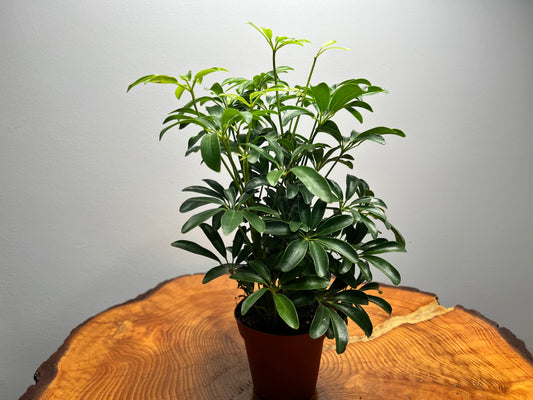
Indoor trees are high-light plants trying to survive indoors. Most people place them too far from windows and treat them like smaller plants, which leads to slow decline. Trees need strong, consistent light, usually from a south or west window, and should not be moved often. If they are in the middle of a room or low light, they will struggle. Most problems start with low light, which then leads to overwatering because the soil does not dry properly. The fix is always to increase light first, then adjust watering.


The Lighting Guide and Signs and Signals Guide will help you stabilize and grow large plants successfully indoors.

Q: Why are my plant leaves turning yellow
Yellow leaves are not automatically overwatering. Where the yellow starts matters. Older lower leaves naturally age, while yellowing across the plant often points toward light, moisture, root conditions, or environmental changes. Look at the pattern instead of reacting to one leaf. If growth is slowing, soil stays wet for long periods, or multiple leaves change at once, your setup likely needs adjustment.

Start here: check your direction of light, how far your plant sits from the window, and whether the root zone is actually dry.

The Signs and Signals Guide goes deeper into yellowing patterns, stress signals, and understanding what your plant is communicating.

Q: What does bright indirect light actually mean
Bright indirect light is one of the most confusing terms in plant care because it means something different in every home. Direction and distance matter more than the label itself. A plant one foot from a window behaves very differently than one five feet away. That difference changes growth, watering, color, and recovery.

Start here: identify your window direction and measure how far your plant sits from the glass.

The Lighting Guide expands on direction of light, placement, foot candles, grow lights, and building a setup that gives consistent results.

Q: How far should my plant be from a window
Distance changes everything. Light drops faster indoors than most people realize, which means a plant directly near a window and one several feet away may require completely different care. Many plant problems are not caused by watering but by placement.

Start here: measure from the window to the top of your plant canopy and evaluate growth from there.

The Lighting Guide shows how direction and distance affect watering, growth, and long-term plant performance.

Q: Why is my plant not growing
Growth is more than new leaves. Plants may spend time establishing roots, adjusting to a new environment, or maintaining energy before actively growing. Light, root space, consistency, and environment all influence growth speed. Slow growth does not automatically mean something is wrong.

Start here: compare your newest growth to older growth and check whether roots and leaves are still progressing.

The Signs and Signals Guide expands on growth patterns, resting periods, and how to recognize healthy progress.

Q: Why do pests keep coming back
Recurring pests are usually not because treatment failed once. Most pests have multiple stages, and treating only what you see often allows the cycle to continue. Environment, consistency, and timing matter just as much as treatment.

Start here: identify the pest before changing products or methods.

The Pest Guide goes deeper into life cycles, prevention, treatment timing, and building long-term plant health.

Q: Why does my soil stay wet so long
Soil that stays wet is usually a setup issue, not a watering issue. Lower light, oversized pots, dense soil, limited airflow, and root conditions can all slow drying. Watering less is not always the answer if the environment is not supporting healthy moisture use.

Start here: evaluate light first, then look at pot size and root health.

The Beginner Guide expands on moisture management, setup, and creating conditions that support healthy roots.

Q: Why are my plant leaves curling
Leaves curl for different reasons depending on the plant and how the curl appears. Tight curling, soft curling, and edge curling can all point toward different conditions. Light, moisture, roots, and environmental stress all influence leaf shape.

Start here: compare recent changes in watering, placement, and new growth.

The Signs and Signals Guide explains leaf behavior and how to interpret changes before bigger symptoms appear.

Q: Should I fertilize my plant
Fertilizer supports growth but does not replace light. Plants need usable light and healthy roots before nutrients become helpful. Adding more fertilizer does not automatically create faster growth.

Start here: make sure your plant is actively growing before adjusting nutrients.

The Beginner Guide goes deeper into how light, watering, nutrients, and environment work together.

Q: How do I know if my plant is healthy
Healthy plants do more than grow. Consistent drying patterns, stable leaf color, root activity, normal leaf size, and predictable growth are all signs your setup is working. A healthy plant does not always grow quickly, but it should feel stable.

Start here: compare your newest growth to the last several leaves instead of focusing on one symptom.

The Signs and Signals Guide expands on reading plant cues and understanding what changes actually matter.

Q: Can plants recover from damage
Plants are more resilient than people think. Damage does not always mean decline. New growth, root health, and stable conditions matter more than older damaged leaves. Recovery takes time and usually starts with correcting the environment rather than making multiple changes at once.

Start here: focus on new growth instead of trying to restore damaged tissue.

The Signs and Signals Guide goes deeper into recovery patterns and understanding what healthy progress actually looks like.

Contact form