Fungus Gnats: Breaking the Life Cycle
Stop Watering the Fungus Gnat Nursery
Many people become frustrated with fungus gnats because they keep coming back no matter what they spray or treat the plant with. The flying adults are what you notice, but they are not the reason the infestation continues. The real problem is happening below the soil surface, where the next generation is developing.
Adult fungus gnats lay their eggs in the upper layer of consistently moist growing media. Those eggs hatch into larvae, the larvae develop into adults, and the cycle repeats. Every time the growing medium stays consistently moist, you're maintaining the environment they need to reproduce. The goal isn't to kill every adult you see. The goal is to stop producing new ones.
This is why so many products only provide temporary relief. Sticky traps catch adults. Alcohol kills adults on contact. Other products may reduce parts of the life cycle. However, if the growing medium continues to stay consistently moist, adult fungus gnats will continue laying eggs and the cycle starts all over again. Long-term control comes from changing the environment, not continually adding more products.
The solution is to water based on the condition of the root zone, not the appearance of the soil surface. Use a wooden chopstick, moisture meter, or clear nursery pot to see how much moisture is still available where the roots are actually growing. When the growing medium has dried appropriately throughout the root zone, water thoroughly and then allow it to dry again before watering. This supports healthy roots while naturally making the upper layer of the growing medium less favorable for fungus gnat eggs and larvae.
If your growing medium stays wet for long periods, don't assume watering is the only issue. Plants need enough light to actively use the water you're providing. A plant receiving insufficient light grows more slowly, uses less water, and the growing medium remains moist much longer. Before changing your watering routine, make sure your plant is receiving the proper amount of light. The Rooted Light Guide and the care recommendations on each plant listing can help you determine whether your placement is allowing the plant to process water efficiently.
Bottom watering can also support this process because it often leaves the surface of the growing medium drier between waterings than frequent top watering. It isn't a cure by itself, but it can make the upper layer less attractive for egg laying while encouraging you to water according to the condition of the root zone instead of the appearance of the surface.
If adult fungus gnats are flying or crawling around your pots, 70% isopropyl alcohol is an effective way to kill the adults on contact. Reducing the adult population helps limit new eggs from being laid, but alcohol does not affect the eggs or larvae already developing in the growing medium. That is why watering practices remain the foundation of long-term control.
Rooted Perspective
Fungus gnats are usually a sign that the growing conditions are allowing them to reproduce.
Instead of asking, "What can I put on my plant?" ask, "Why is my growing medium staying moist long enough for fungus gnats to complete their life cycle?"
When your plant has enough light to use water efficiently and you water according to the condition of the root zone, you're supporting healthy roots while removing the conditions fungus gnats depend on. That's the difference between treating today's adults and preventing tomorrow's infestation.
Fungus Gnat Guide- Free with ANY PURCHASE. 🙌🏻 We want to help you understand how to get rid of them.






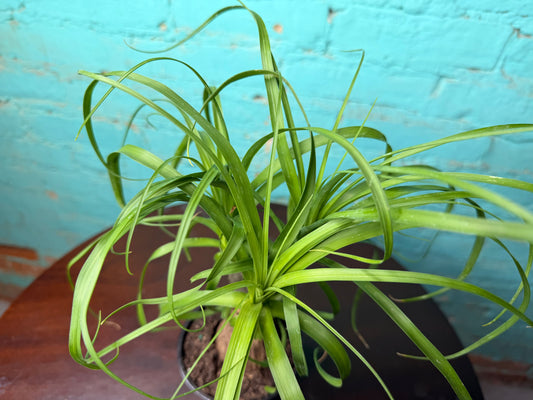 Sold out
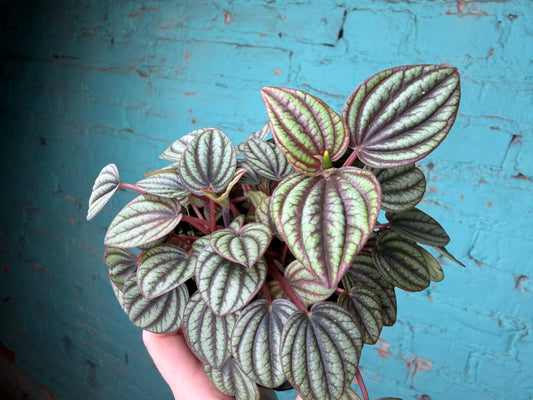 Sold out




 Sold out