The Rooted Plant Shop
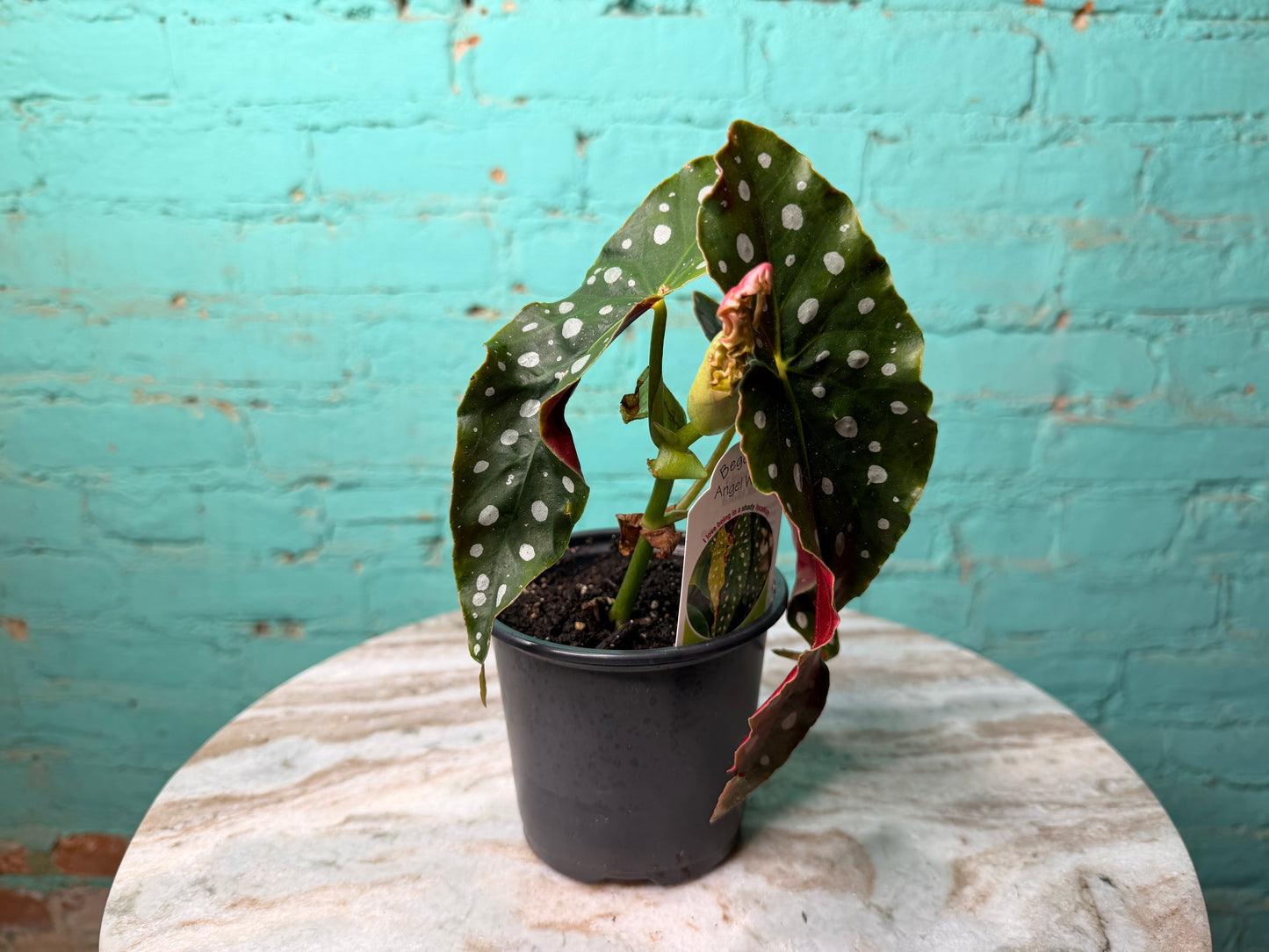
Begonia Maculata- Polka Dot 4”
Couldn't load pickup availability
Begonias are perfect for a long-blooming splash of color on shady porches. In cooler climates, you can grow these tropical beauties as houseplants or annual flowers in containers, hanging baskets, or beds. Begonias thrive in part shade and appreciate evenly moist, fertile soils. Their roots are toxic to some animals
Begonia care varies depending on their class and cultivar, but the main requirements include:
- Position in indirect sunlight or shade
- Water to ensure evenly moist not soggy soil
- Plant in well-draining soil that's rich in organic matter
- Fertilization requirements vary depending on the species
Begonias are forest understory plants in their native habitats, so they usually do best in partial sun positions outdoors. Some types, like wax begonias, will flower consistently in full sun. Indoors, begonias appreciate a position in bright but indirect light. Too much sun can wilt the delicate petals or cause the foliage colors to fade.
Begonias thrive in porous, slightly acidic soil. Excellent drainage is a must. Peat-based soils with plenty of organic matter, including leaf mold are good. Potting mixes for African violets are a convenient option. Water your begonia thoroughly once the top inch of the soil is dry. While these plants appreciate even moisture to produce the best blooms, avoid overwatering begonias. Soggy soils can lead to root rot. Always water at the base of the plant, as these plants can also be susceptible to foliage fungal diseases, such as powdery mildew. Begonias grown indoors do best with consistent temperatures ranging from 65 to 70 degrees Fahrenheit. Most varieties won't tolerate temperatures below 55 degrees Fahrenheit. Tuberous begonias planted in the garden should cope with cool late summer evenings but go dormant once the nights and days turn colder.
Being tropical plants, begonias like some humidity (typically, just under 50%). In houses with dry air, placing a saucer of water near your begonia or using a humidifier in the room can help the plant stay healthy. Keep garden begonias sheltered, as high winds can damage their fragile flowers and foliage. For rhizomatous begonias grown indoors, a basic water-soluble fertilizer mixed to quarter or half strength and applied to moistened soil in spring will help promote blooms. Tuberous begonias are somewhat more hearty feeders and like a 5-1-1 fertilizer.
Share

Let customers speak for us
from 485 reviewsI love getting a surprise plant every month! They come packed great and they are amazing! Thank you Mel and crew!!
Perfect. Made transition perfy
Amazing as always! Healthy and thriving. Thanks Mel!
My plants always arrive healthy and are proficiently shipped
My plant arrived damaged, soft, droopy, upon arrival with the weather protection. I watered the plant as it was dry and light, but made no difference. The top cutting was broken off when I opened the box. I emailed the shop about my issue, they blamed it on watering and never responded. I’m very disappointed and will not be shopping with this company again. Poor customer service and now I have a sad plant.
Good information for beginners, and good reminders for experienced plant parents.
She arrived well packed and healthy, gorgeous plant. I love the darker leaves.
Beautiful plants, so well cared for. Fast shipping and impeccable care in packaging. Owner full of valuable plant knowledge . 🥰
Arrived in excellent shape. Packed wonderfully. Perfect little plant. Thank you so much.
Hairy Wandering Jew 4” (Tradescantia sillamontana)