How Often Do I Water My Plants?
-
Monthly Plant Subscription $25
Regular price $25.00 USDRegular priceUnit price per -
Monthly Plant Subscription-$40
Regular price $40.00 USDRegular priceUnit price per -
Monthly Plant Subscription $60
Regular price $60.00 USDRegular priceUnit price per -
Mystery Plant Subscription 4”
Regular price $25.00 USDRegular priceUnit price per


Let me help you build your collection.
Your subscription should be the easy part. Subscribe once, and each month I’ll personally choose a 4" plant from the shop and send it your way. No credits to keep track of, no monthly shopping, and no extra order to place. Your only job is to open the box and see what I picked for you.
Direction of Light
-

East Facing
EAST-FACING PLANTS East-facing windows provide gentle morning light and are one of...
-

North Facing
NORTH-FACING PLANTS North-facing windows provide the lowest amount of natural light. These...
-

West Facing
West-facing windows provide bright afternoon light and increased heat later in the...
-

South Facing
SOUTH-FACING PLANTS South-facing windows provide the strongest natural light throughout the day....


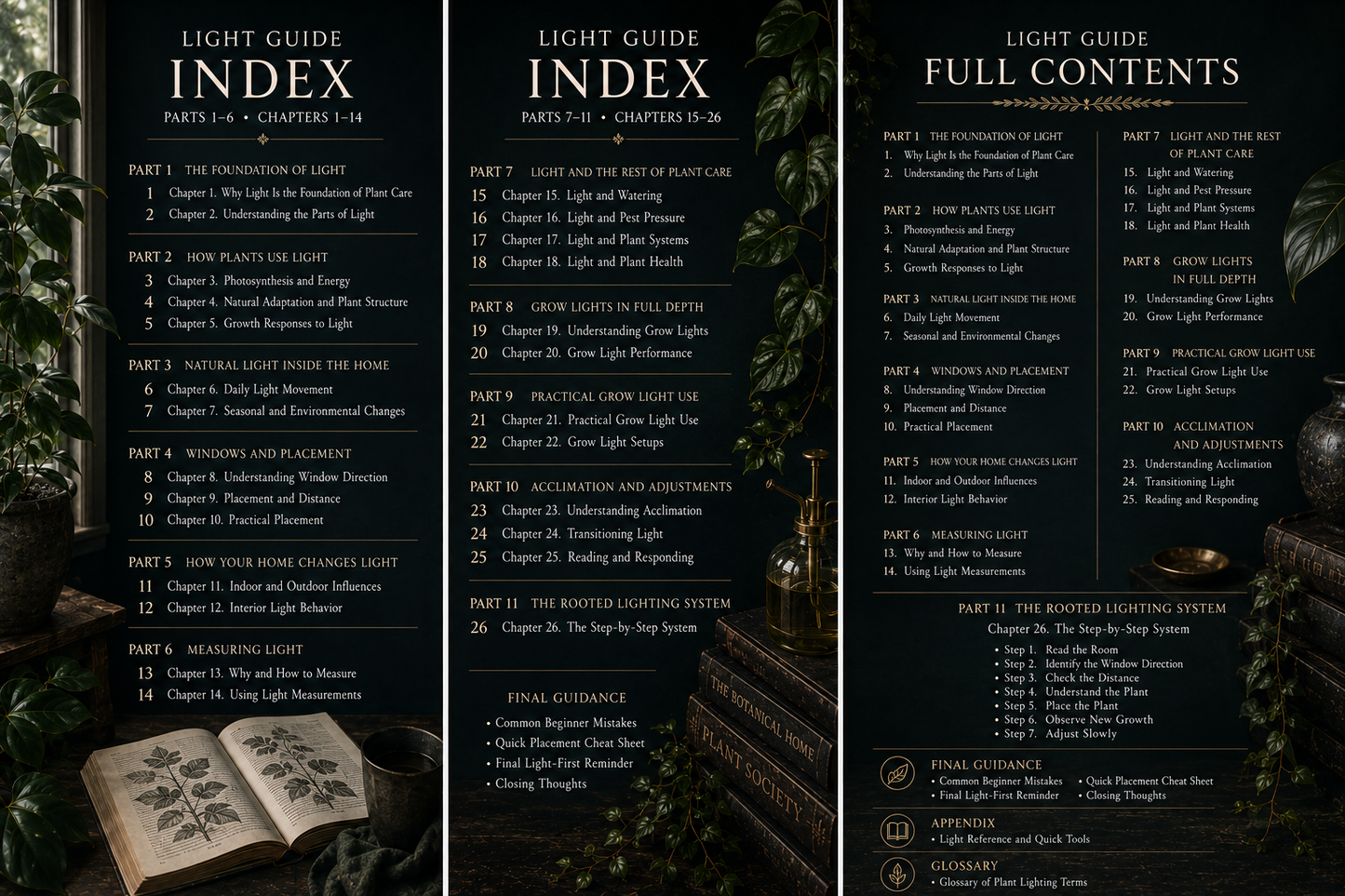

They Are Talking To You
Your plants are always communicating. These guides teach you how to recognize the signals so you can understand what your plant is telling you and respond with confidence.