


Let customers speak for us
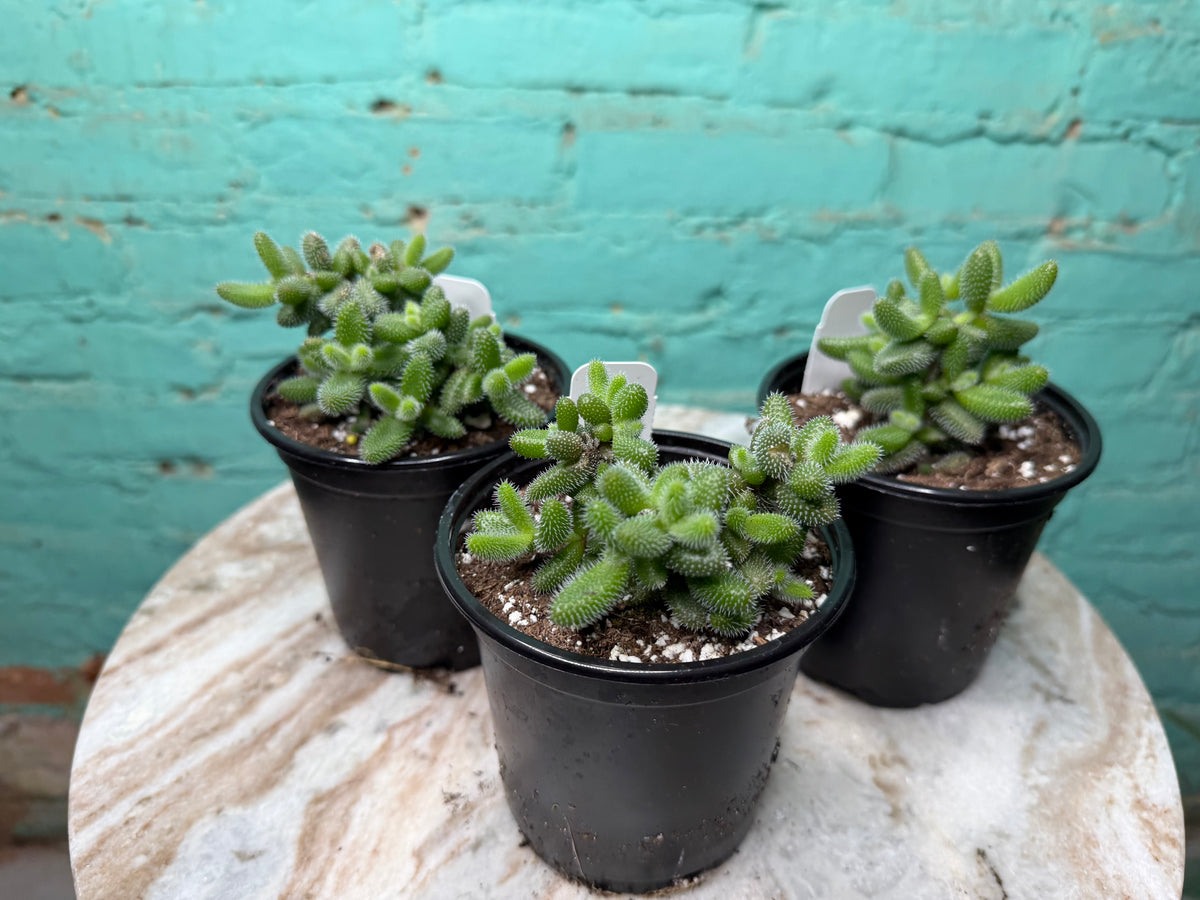
Love the baby Crocodile. They grow into a stunning plant. The Rooted Plant Shop has excellent service especially with their packaging.

Love the color, can’t wait to see the progression.
Packaged beautifully & healthy plant! Would you expect anything other from this store?!? THE BEST!

Plants arrived in perfect condition and no bugs! I will only buy from this seller.

She came in fine shape and her variegated leaves are stunning.

Order came fast , and the plant look so small , but five days later it has a new leaf and showing great color and it came well packaged

My Alocaisa Tiny Dancer is amazing! Even though it is a larger plant, it arrived in perfect condition and has a new leaf popping out! Thank you, again, Rooted Plant Shop!
Very happy with this company and everything I've ever ordered from them. One of my top nurseries to order my plants from! They take amazing care of my future plants 😁
Every plant I get from Mel at Rooted is so happy when they arrive. Such great quality and happy plants!

I don’t even know where to start describing how impressive my experiences have been ordering plants from this shop!
First, my very first order came with a complimentary learning volume on the life cycle and how to eliminate fungus gnats in your plant collection. That alone was worth shopping there. It’s absolutely refreshing to find a retailer who wants your plants to actually be healthy, knowing they could be losing a guaranteed revenue stream simply by not continuing the propaganda or selling the “fixes”.
Next, the plants I ordered were stunningly beautiful, healthy and pest free! They were so well packaged that there was minimal foliage damage, despite the second box actually arriving damaged from transit. My plants were perfect.
The shipping information is well explained before you purchase and the packing materials are very high quality.
Any additional questions I had were answered so quickly and I was pleasantly surprised to discover a bonus plant which I had won in a giveaway nestled in with the ones I purchased!
I’m probably done ordering plants for the season since it is starting to get really cold here in Colorado, but the personal attention, the genuine care and the highest quality plants have earned The Rooted Plant Shop a customer for life in me!
The initial reason I ordered in the first place was because the prices were great. That is still an important thing, I’m frugal and love a deal, but it was so dramatically overshadowed by every other wonderful thing I almost forgot to mention it!
Mell is the best she knows her plants she will also tell u the plant we r looking for if it's for us or not. That's what I love bout her she isn't forcing u to take the plant she is helping u with the plants...

I’ve been wanting a silver dragon and when she got here she was perfect! Thank you Mel!

plants are beautiful and full!! Packing was superb. Super glad ive found this shop. Will be a regular customer!

I ordered the $40 mystery box for a west facing window. It was the first mystery box I had ever ordered and had no idea what to expect. To my joyful surprise, I received a huge dieffenbachia neon panther. She's gorgeous and very healthy. If you're on the fence about buying from this shop, order and have no worries. This is my 4th plant from here and each one has been beautiful and healthy. Definitely recommend this shop!

Always on point! Beyond excellent shipping and quality!
