


Let customers speak for us
I love how it really protects your plants. Mel really takes the time to make sure that they’re shipped great

Fungus Gnat Guide

So far so good! 🤞

I love the smaller plant sizes because I love watching them grow. The key to that is a strong root system and Mel definitely came through with a great plant with a good root system!

This may be the cutest plants I have ever received! It's adorable. The plant was packaged extremely well and had no shipping damage. It's also very healthy and happy. I'm very happy with this purchase and would recommend buying from this shop.

A great little plant! Arrived well packed and very healthy. It's absolutely adorable. I'd highly recommend buying from this shop. It's obvious the plants are well cared for.

Everything came perfectly packed and damage free!! So so beautiful! Went beyond my expectations
Plant is great and was sent with such care as usual! Thanks

Everything from Mel and team always shows up perfect. The plants are beautiful!

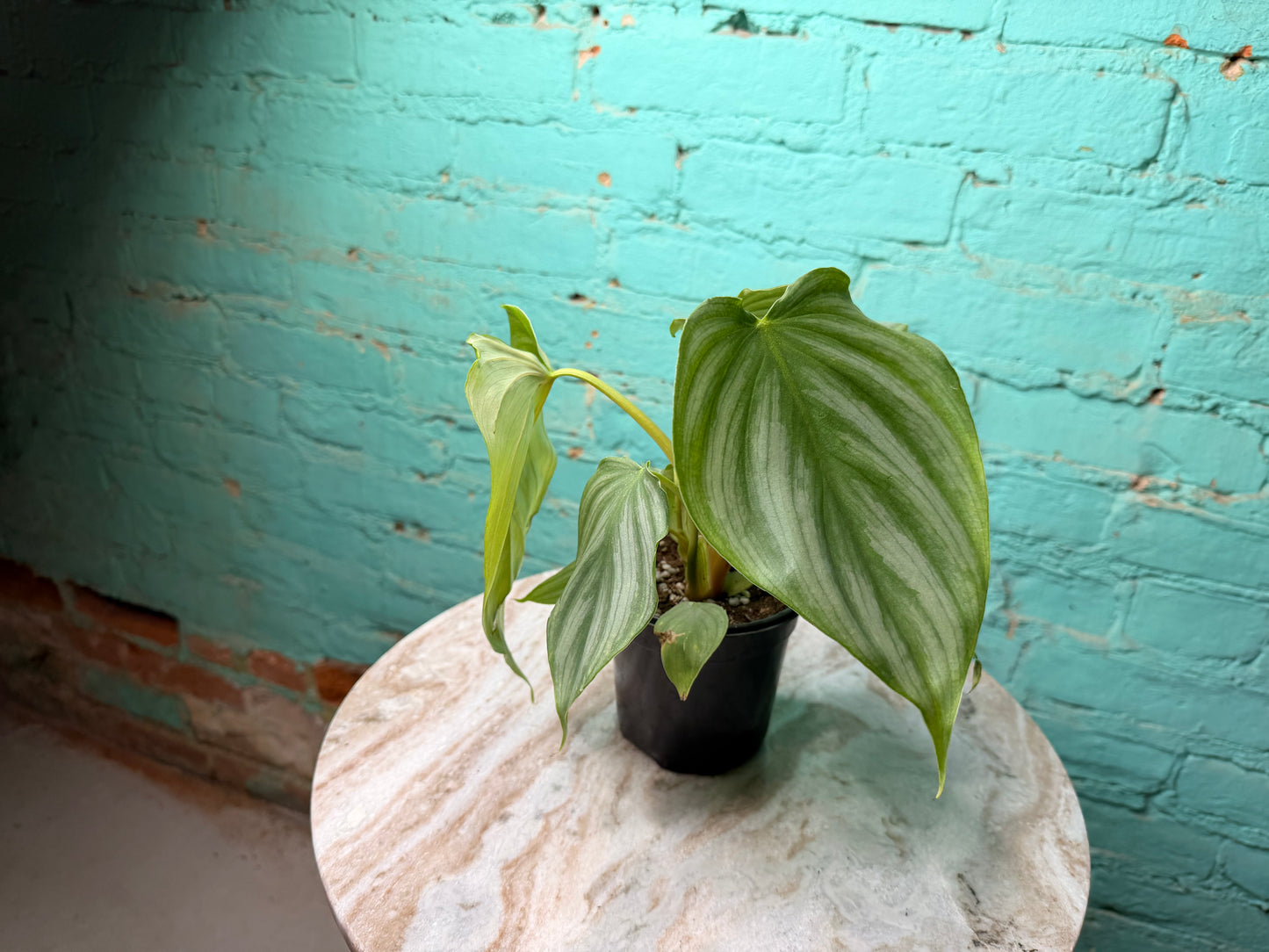
Beautiful and Healthy Philo Micans:
This is my second order from the rooted plant shop. My first order came quickly, packaged well and that plant has never given me any issues. That is why I ordered again and this experience was no different. I check her website often to see if she has any of my wishlist plants because if I can get them from her shop i know I’m getting a healthy plant and I fuss free experience.
This is my second order from the rooted plant shop. My first order came quickly, packaged well and that plant has never given me any issues. That is why I ordered again and this experience was no different. I check her website often to see if she has any of my wishlist plants because if I can get them from her shop i know I’m getting a healthy plant and I fuss free experience.

Plants arrived in excellent condition.
I ordered 2 String of Turtles. They arrived packaged perfectly. Would recommend to any Plant Lover out there. 100%
Arrived in perfect condition with a new leaf coming in :). I’d give ten stars if I could, for this made my whole week. Thank you so much!!!
Nicole J.

Shipping was fast, plants arrived healthy and looking beautiful


