Skip to product information
1 of 4

The Rooted Plant Shop

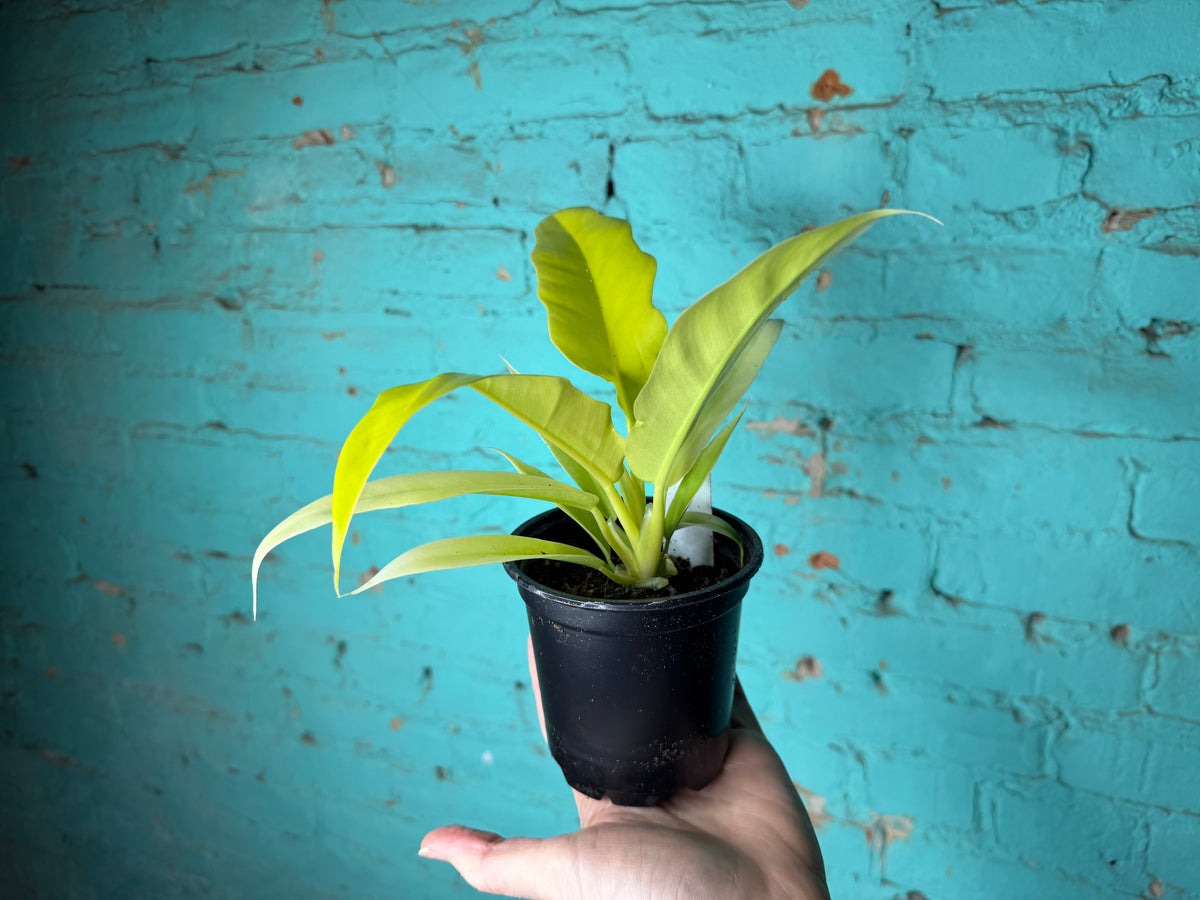
Philodendron Golden Crocodile 4”

Philodendron Golden Crocodile 4”

Regular price $24.00 USD
Regular price Sale price $24.00 USD
Sale Sold out
Shipping calculated at checkout.

Each plant is unique. Size, shape, fullness, and variegation will vary.

Shipping & Cold Weather Protection

Rooted ships live plants on Mondays and Tuesdays to help prevent plants from sitting in shipping facilities over the weekend.

Shipping speed matters, especially during colder weather. I strongly recommend expedited shipping and appropriate heat-pack protection based on the temperatures your plants will travel through.

Please review Rooted's shipping guidelines before selecting your delivery method. Choosing the least expensive shipping option may increase the risk of temperature exposure and transit delays.

Golden Crocodile Philodendron is grown for its long, narrow leaves with deeply cut, irregular edges that give the foliage its distinctive crocodile-like appearance. New growth can emerge in vivid yellow to golden-chartreuse tones before developing more lime-green coloration as the leaves mature. The exact parentage and formal cultivar history behind the trade name ‘Golden Crocodile’ are not consistently documented in reliable botanical sources, so it is better treated as a horticultural Philodendron cultivar rather than assigning it an unverified species or parentage.

Golden Crocodile develops an upright, self-supporting to climbing growth habit rather than long trailing vines. As it matures, the stem becomes more substantial and the leaves become longer and more dramatically lobed. A mature plant can occupy considerably more space than a young nursery plant because those narrow leaves extend outward in every direction. As the stem elongates, a sturdy support can help keep an older plant upright and organized.

For natural light, start Golden Crocodile approximately 1–3 feet from an east-facing window or 2–4 feet from a west-facing window. Golden Crocodile Philodendron prefers approximately 800–1,500 foot-candles at the leaves. Foot-candles simply tell you how much light is actually reaching your plant. Useful light supports compact growth, substantial foliage and the bright coloration of new leaves. The golden color is part of the plant’s genetics, so increasing light isn’t a way to force the plant to become more yellow. Window direction and distance are starting points because trees, overhangs, neighboring buildings, window size, season, screens and glass can all change the amount of light reaching the plant.

If you’re using grow lights, choose a 5000–6500K fixture and aim for the same approximately 800–1,500 foot-candles at the foliage. Kelvin tells you the color of the light, not its strength. Foot-candles tell you how much light is actually reaching the plant. As Golden Crocodile becomes larger, coverage matters because its long leaves can spread well beyond the center of the fixture. There is no universal distance between the grow light and canopy, so measure at the leaves and adjust the setup from there.

Water when your plant needs watered. Allow the root zone to use a good portion of its available moisture before thoroughly watering again rather than following a weekly schedule. An airy, well-draining aroid mix allows you to water thoroughly while maintaining oxygen around the roots. How quickly the plant uses that water will change with light, temperature, root development, pot size and the amount of foliage it is supporting.

Read the newest growth. Increasingly long spaces along the stem, progressively smaller leaves or a plant strongly leaning toward its light source are reasons to check how much useful light it is receiving. New leaves naturally change color as they harden, so don’t use the difference between a bright golden new leaf and an older greener leaf as a watering or fertilizer signal. Also watch how the plant carries its increasing weight. An older specimen beginning to lean may simply be ready for additional physical support.

Success looks like sturdy growth with progressively substantial, deeply cut foliage and regular new leaves emerging in their characteristic golden tones before maturing. As the plant gets older, its unusual leaf shape becomes increasingly dramatic. Watch the progression of the newest leaves, stem strength and overall growth rather than expecting every leaf to remain the same shade of yellow-green.

View full details