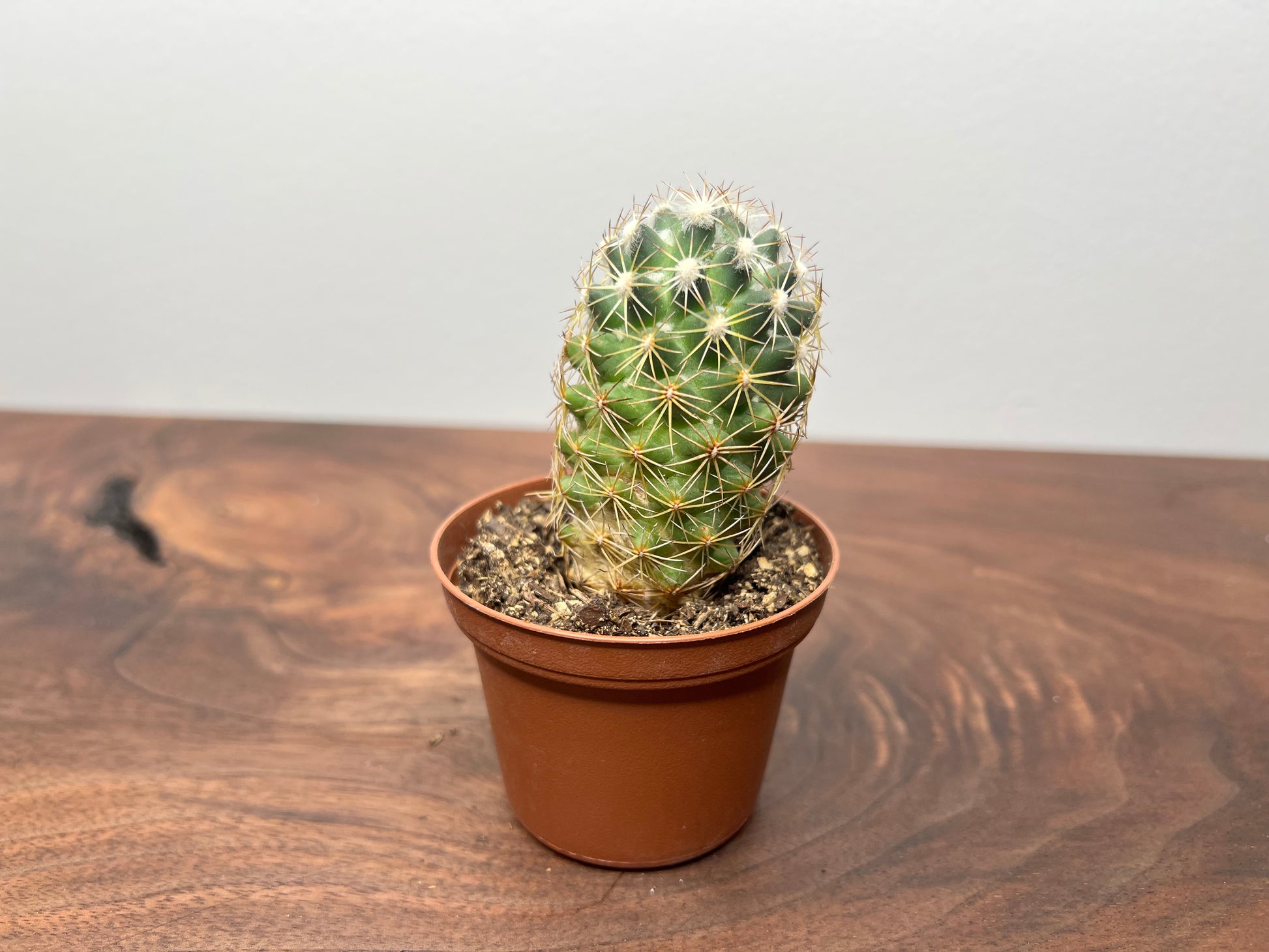
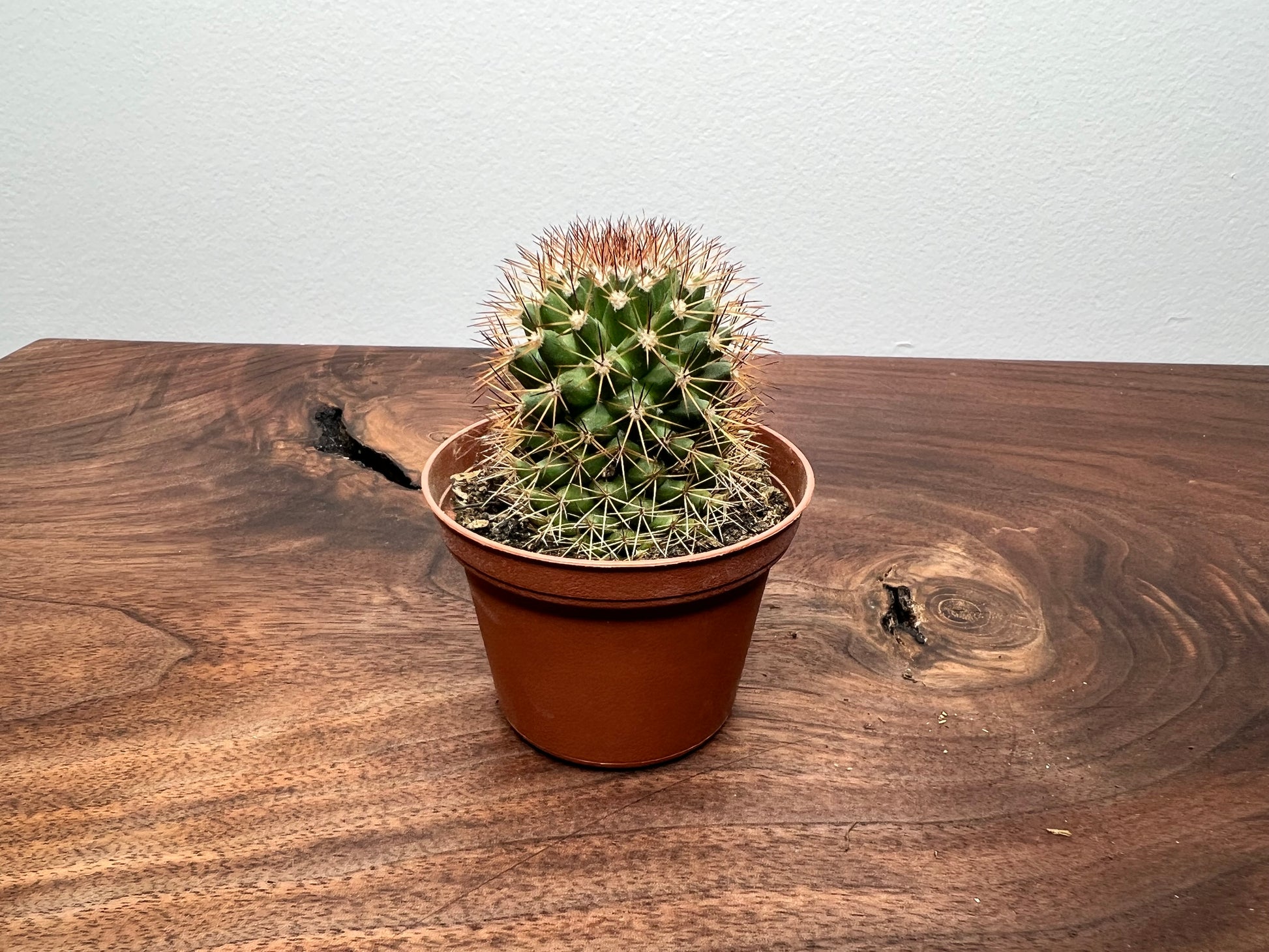
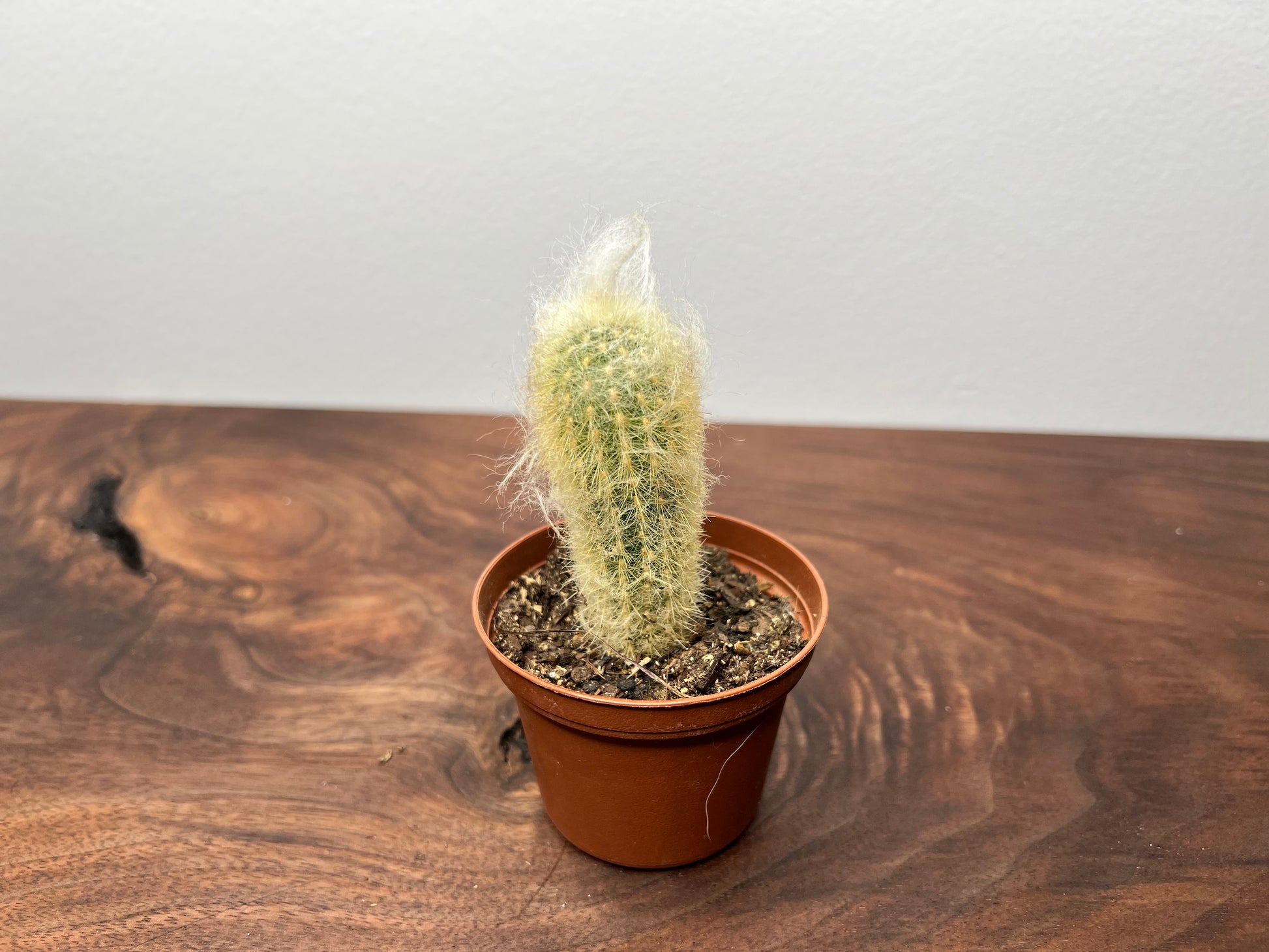
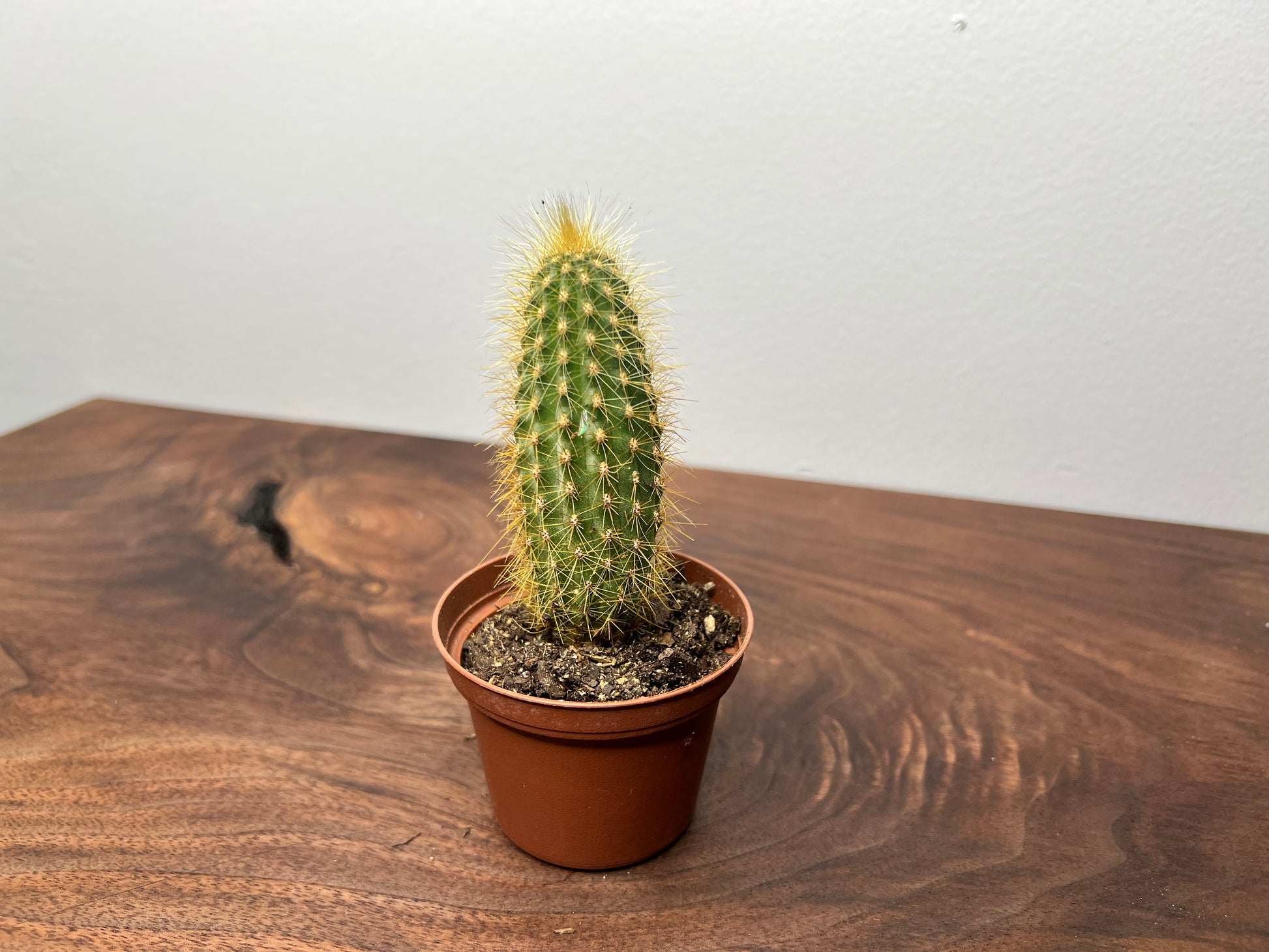
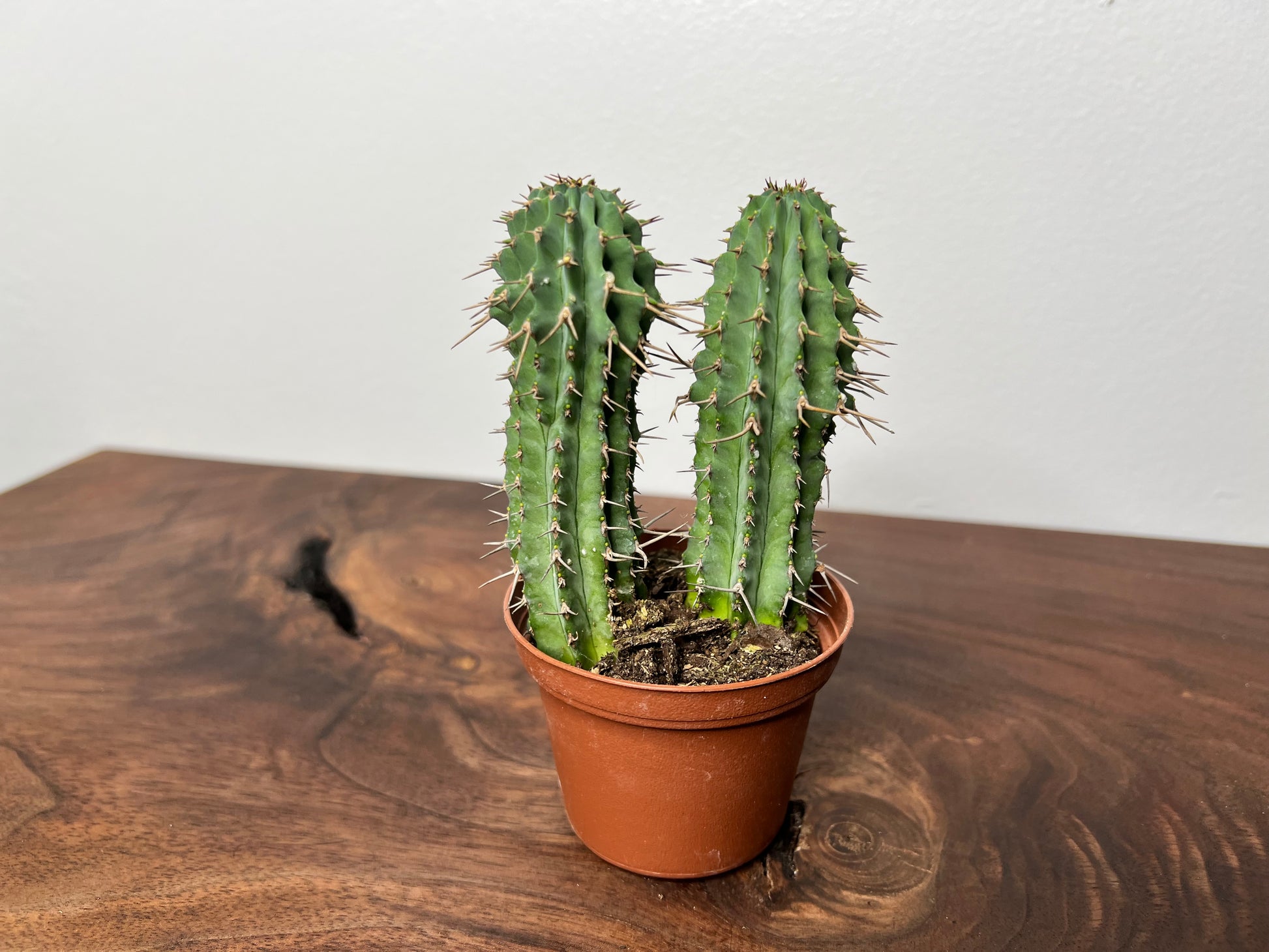
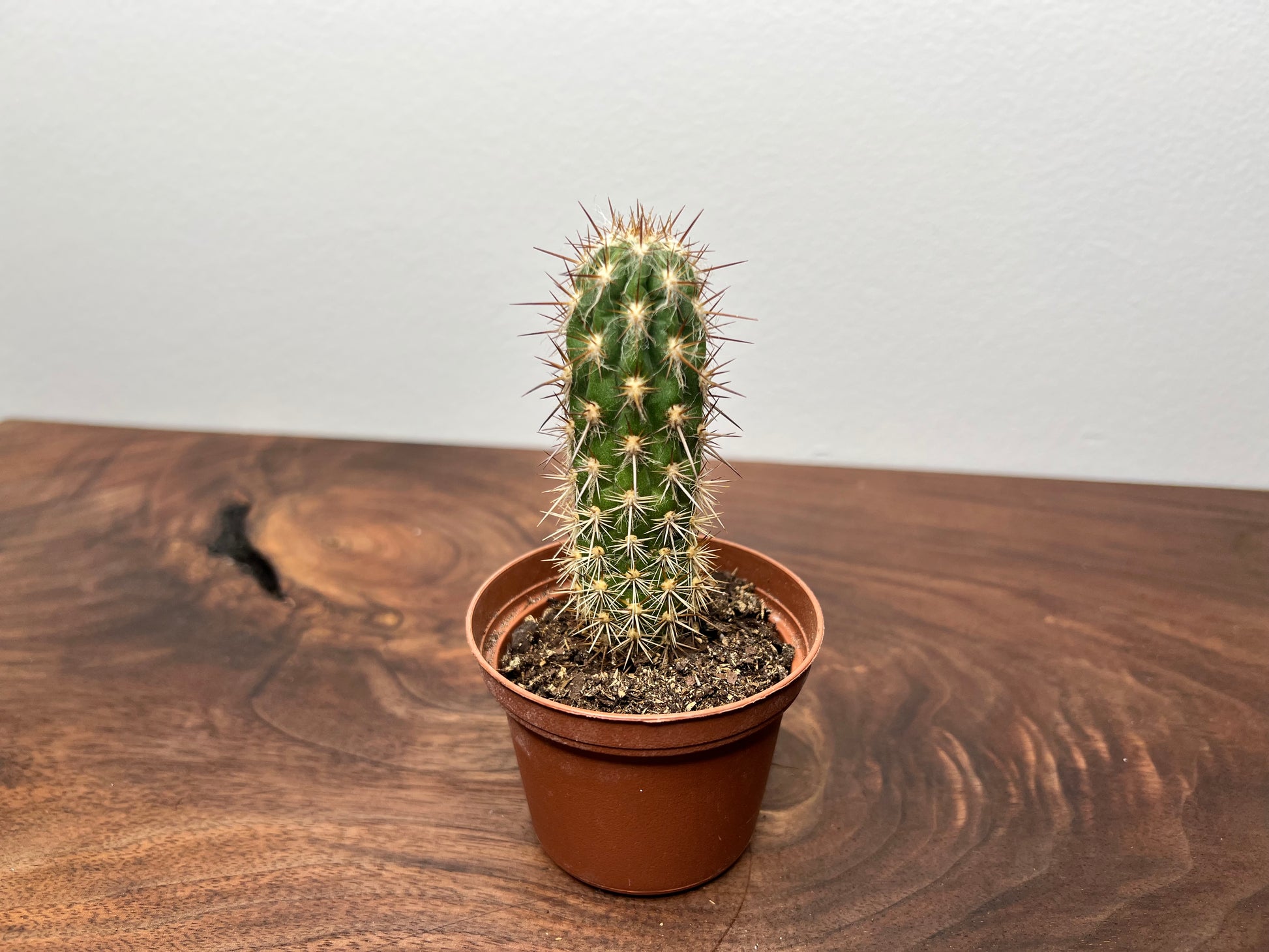
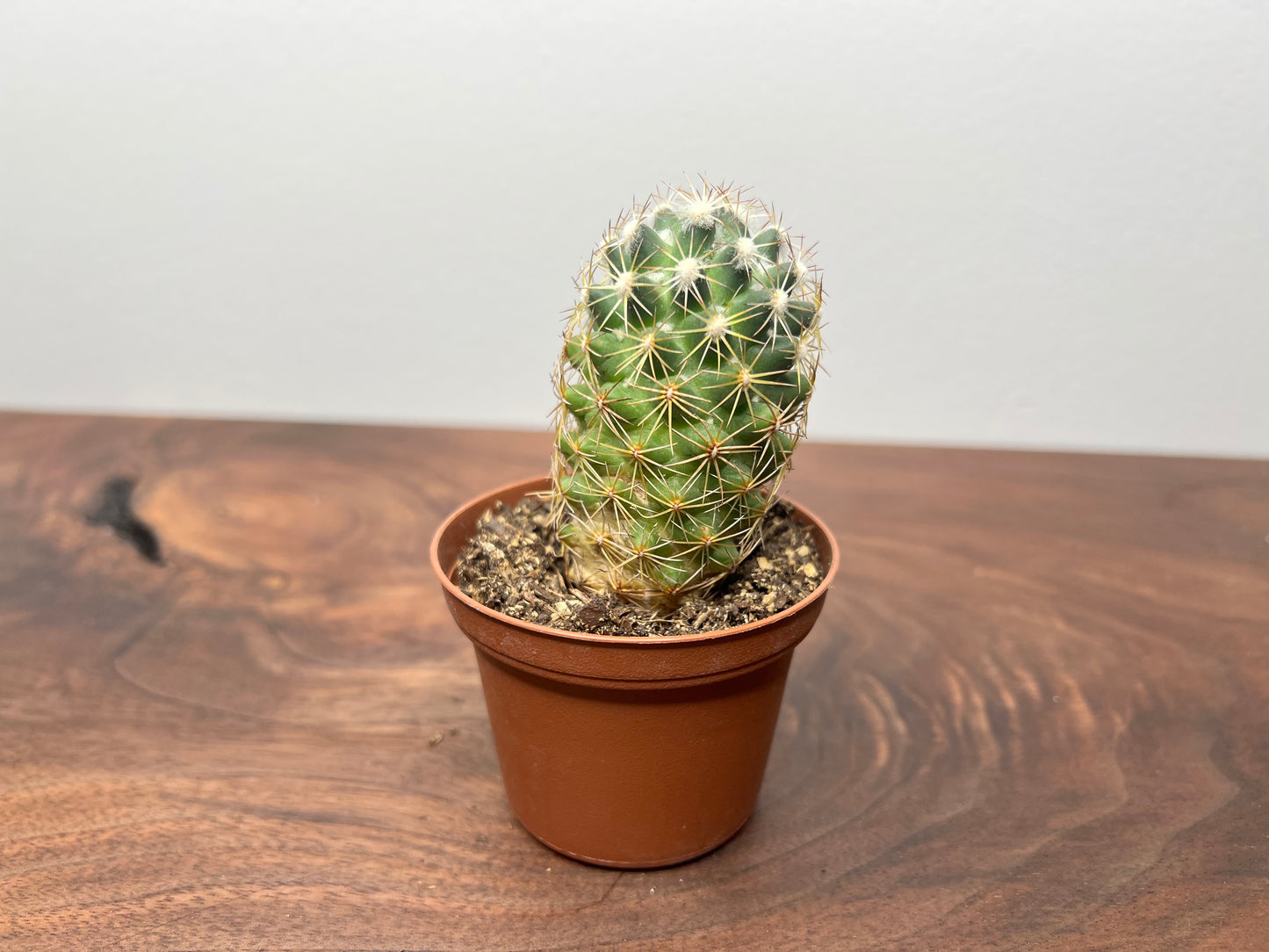
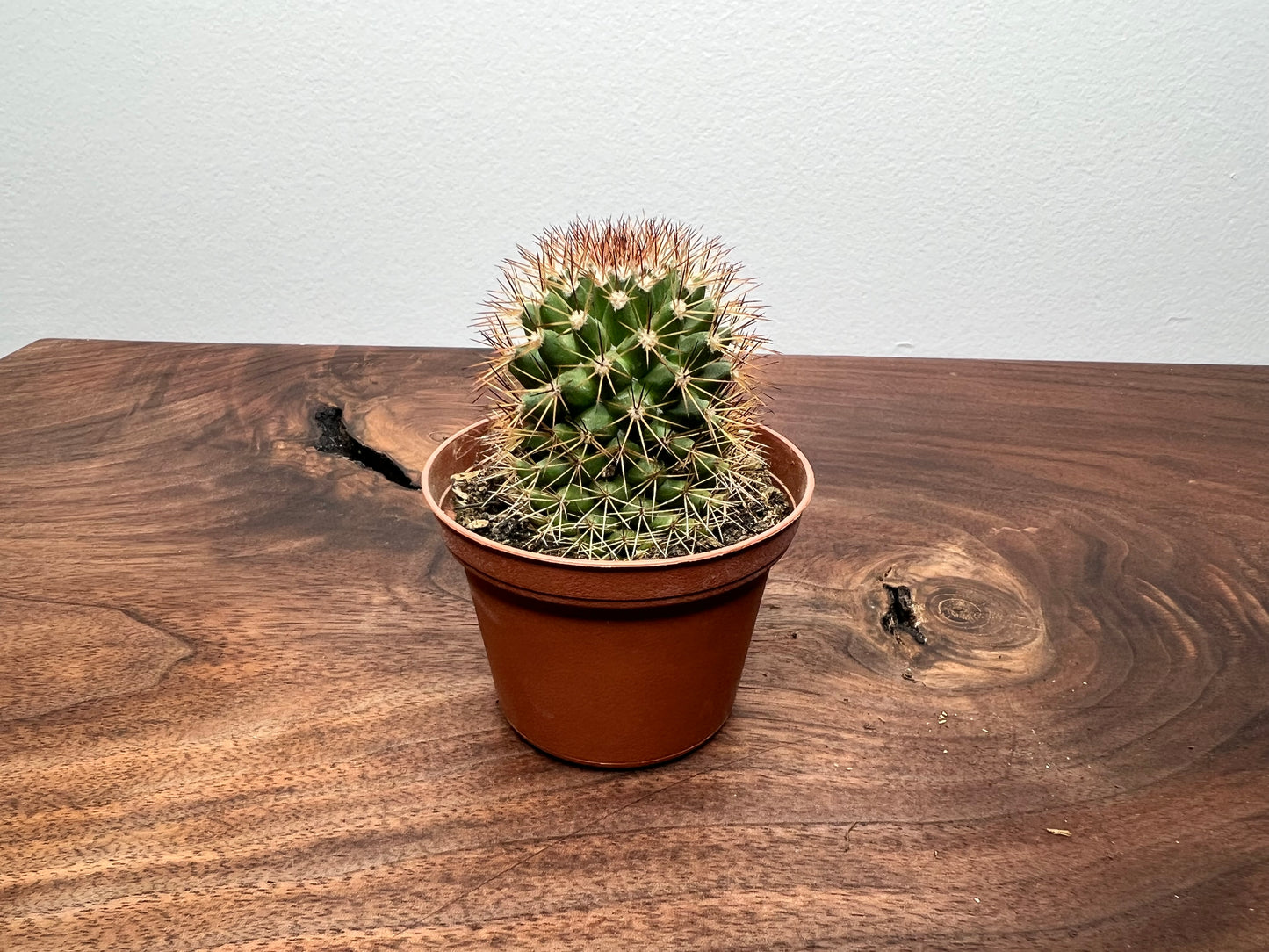
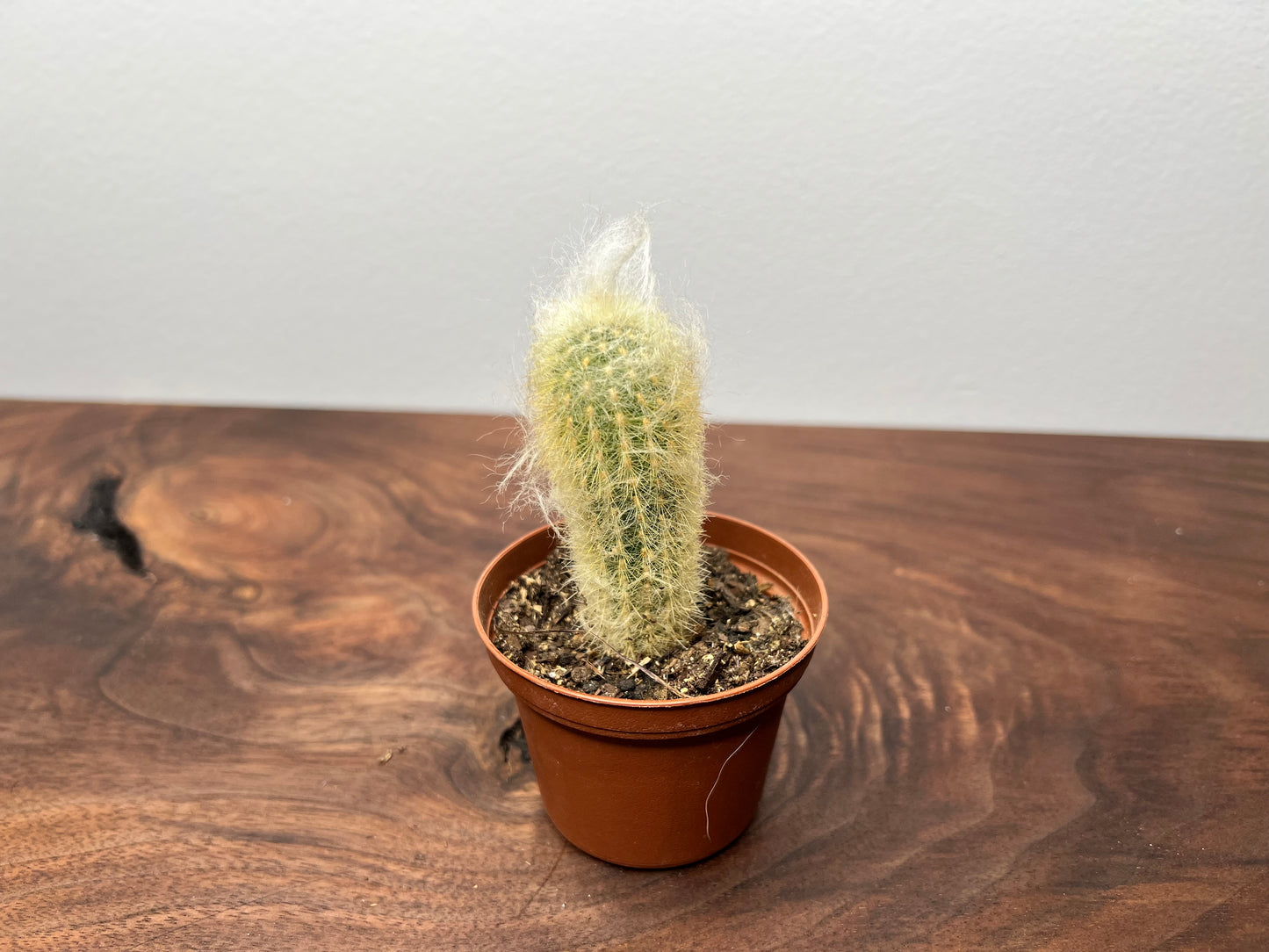
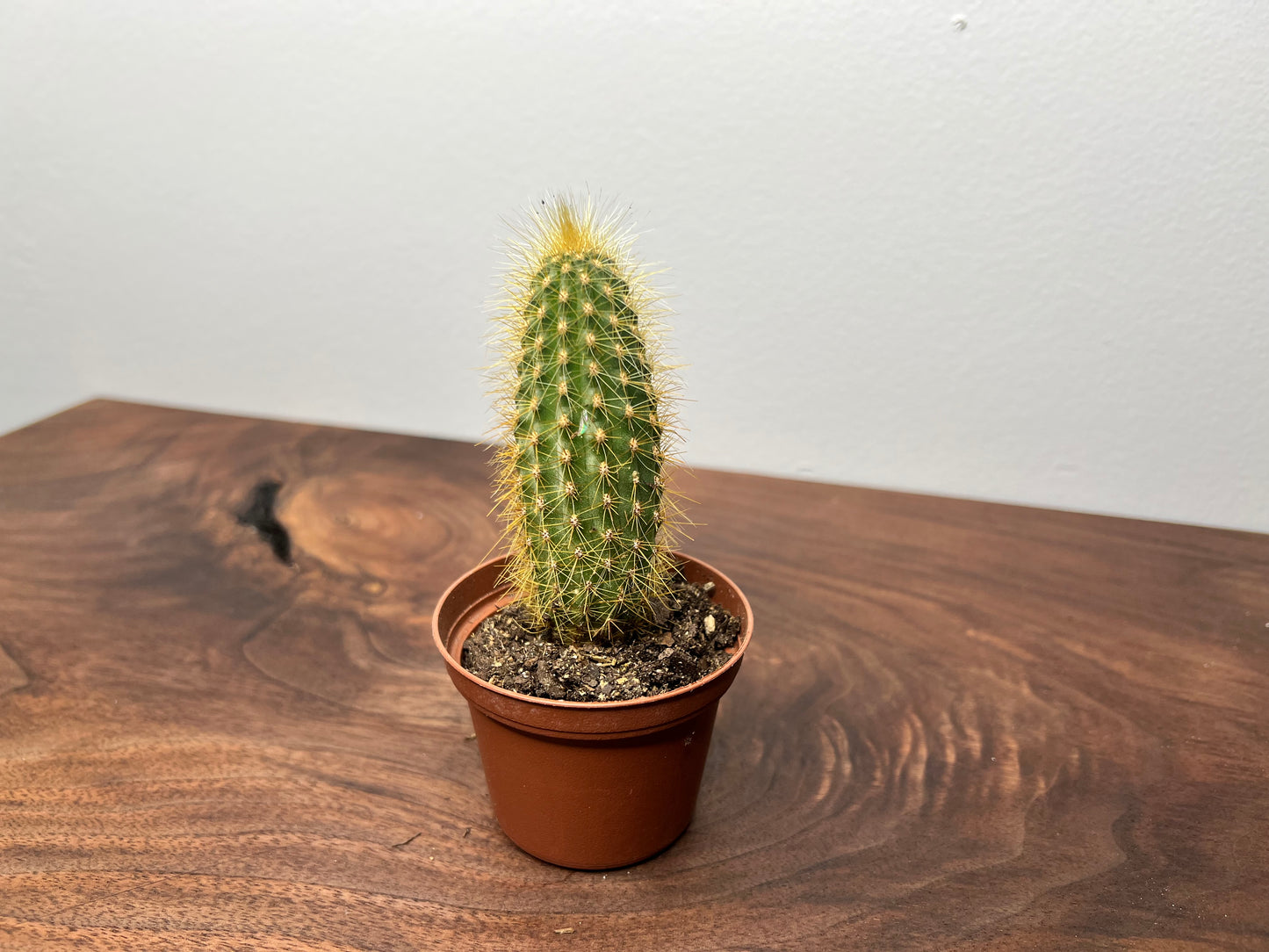
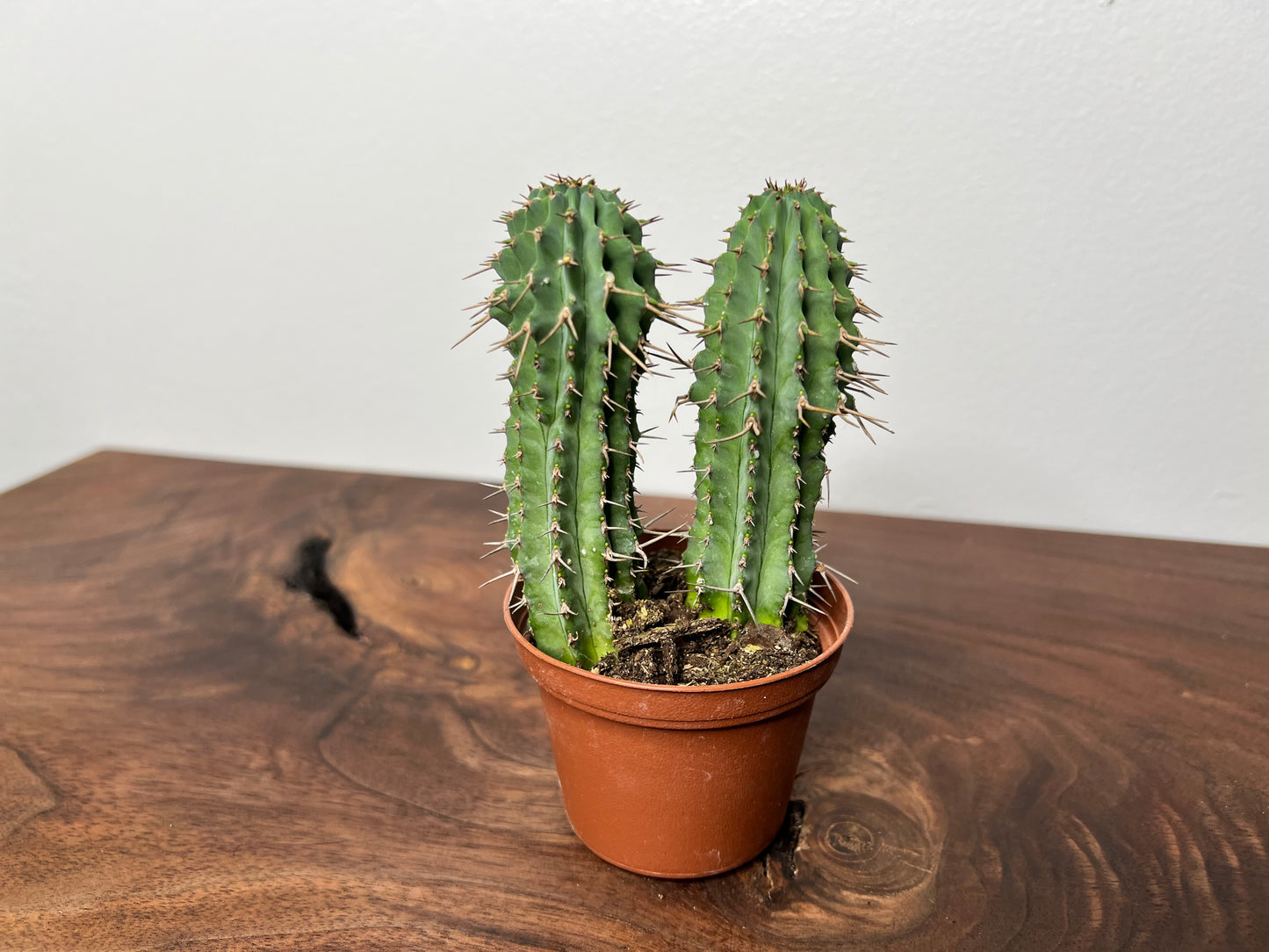
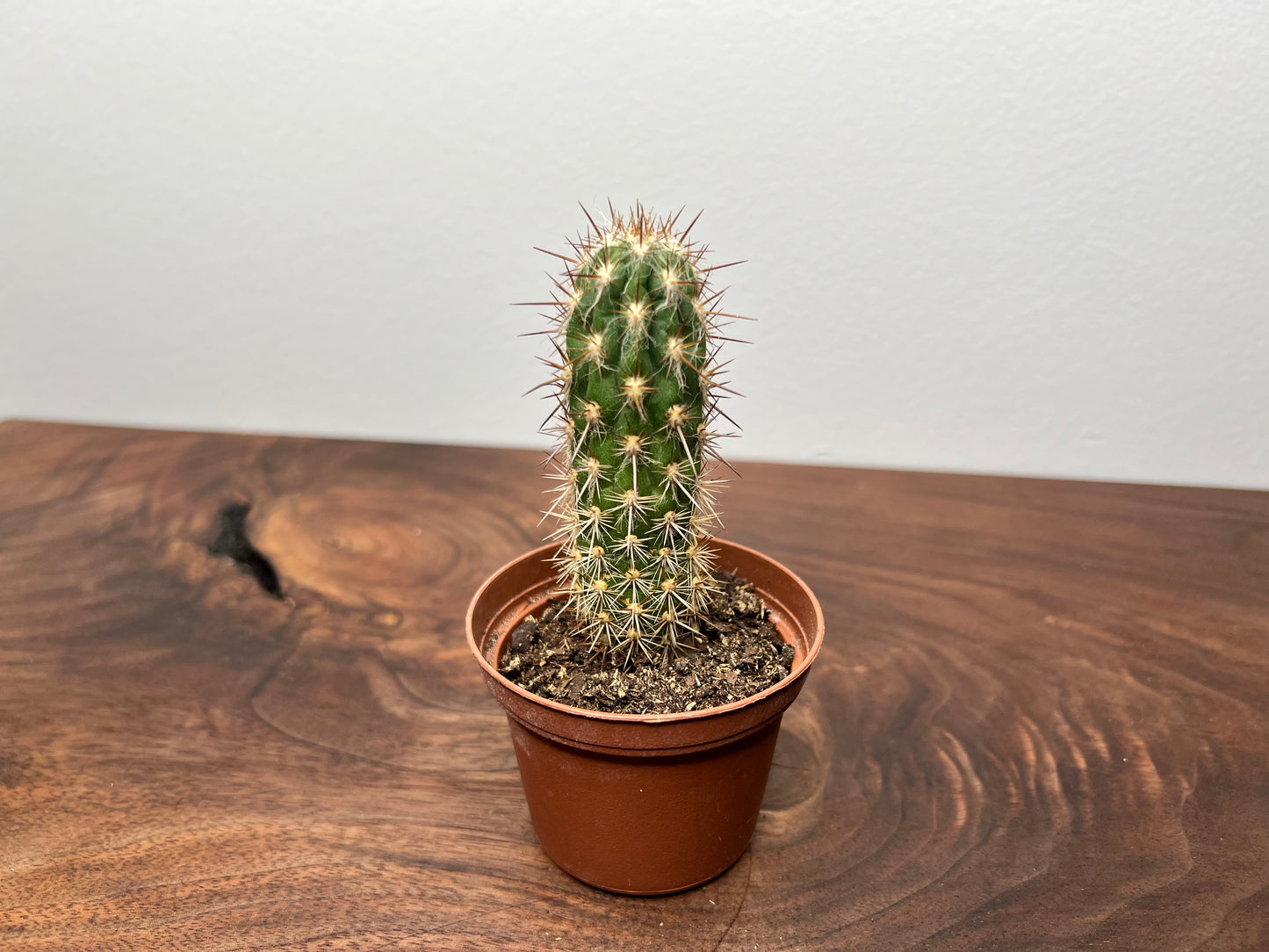
Each plant is unique. Size, shape, fullness, and variegation will vary.
Thousands of species of cacti exist in the wild, including two large groups of cacti grown as houseplant: desert cacti and forest cacti. Both groups thrive indoors with relatively little maintenance and come in many sizes, with small to moderate varieties being the most popular.
Desert cacti typically bear spines or hair and are shaped like paddles, balls, or obelisks. Forest cacti resemble other succulents such as bromeliads, and grow in wooded areas of temperate forests in subtropical and tropical regions. They are climbing or epiphytic plants that cling to trees in the wild and make excellent indoor hanging plants.
The most well-known decorative forest cactus is the Thanksgiving, Christmas, or Spring cactus; which is native to Brazil, and blooms in red, pink, purple, and yellow. Both desert and forest cacti are slow-growing, boast beautiful blooms, and are among the sturdiest of all houseplants.
Among the toughest of all houseplants, desert and forest cacti have a unique, stark beauty, making them a statement piece for any windowsill or brightly lit room. Here are the main care requirements for growing an indoor cactus:
-
Place indoor cacti in the brightest spot in your home.
-
Prepare loose, well-draining soil or plant in a cacti mix.
-
Only water once the soil is completely dry; err on the side of underwatering.
-
Water and feeding can be cut down in the winter, when the plant goes dormant.
-
Pruning usually isn't necessary unless growth needs to be regulated.
Cacti require four to six hours of bright sunlight daily. However, some species of both desert and forest cactus can burn in direct sunlight. Locate your cactus near a sunny window, and opt for a spot that receives filtered bright light in the summer and direct light (like a south- or west-facing window) in the winter.
You can move your cactus outdoors during the summer to provide ample light requirements, but do so only when night temperatures warm to 50 degrees Fahrenheit or above.
Desert cacti grow best in a fast-draining soil mix specifically formulated for cacti. They also grow well in regular potting soil amended with sand, pebbles, or perlite to increase drainage and aeration. Forest cacti like well-draining soil, as well, but can often grow just fine in a regular potting mix.
During the spring and summer, when your cactus is actively growing and blooming, give it a hearty drink every ten days, allowing the water to drain thoroughly. During the winter rest period, decrease waterings to once every four weeks (and every six weeks for some desert species). The soil should be dry to the touch in between summer waterings and mostly dry in the winter.