Let customers speak for us
The only place I’ll order plants from!!

Order arrived quickly, plant was healthy, and without damage. It will make a great addition to my home.

Thank you for taking such good care when packaging your plants. I can't wait to see how this plant grows in my care.

String of Dolphins 4”

Fantastic guide! I changed up my grow room and the plants are thriving! Light and water are key!!! Get this! You won’t regret it!

This girl is thriving! Her leaves are starting to harden and that texture is popping!

My favorite!! This is a MUST HAVE! Already gave me a new leaf and she’s growing fast!

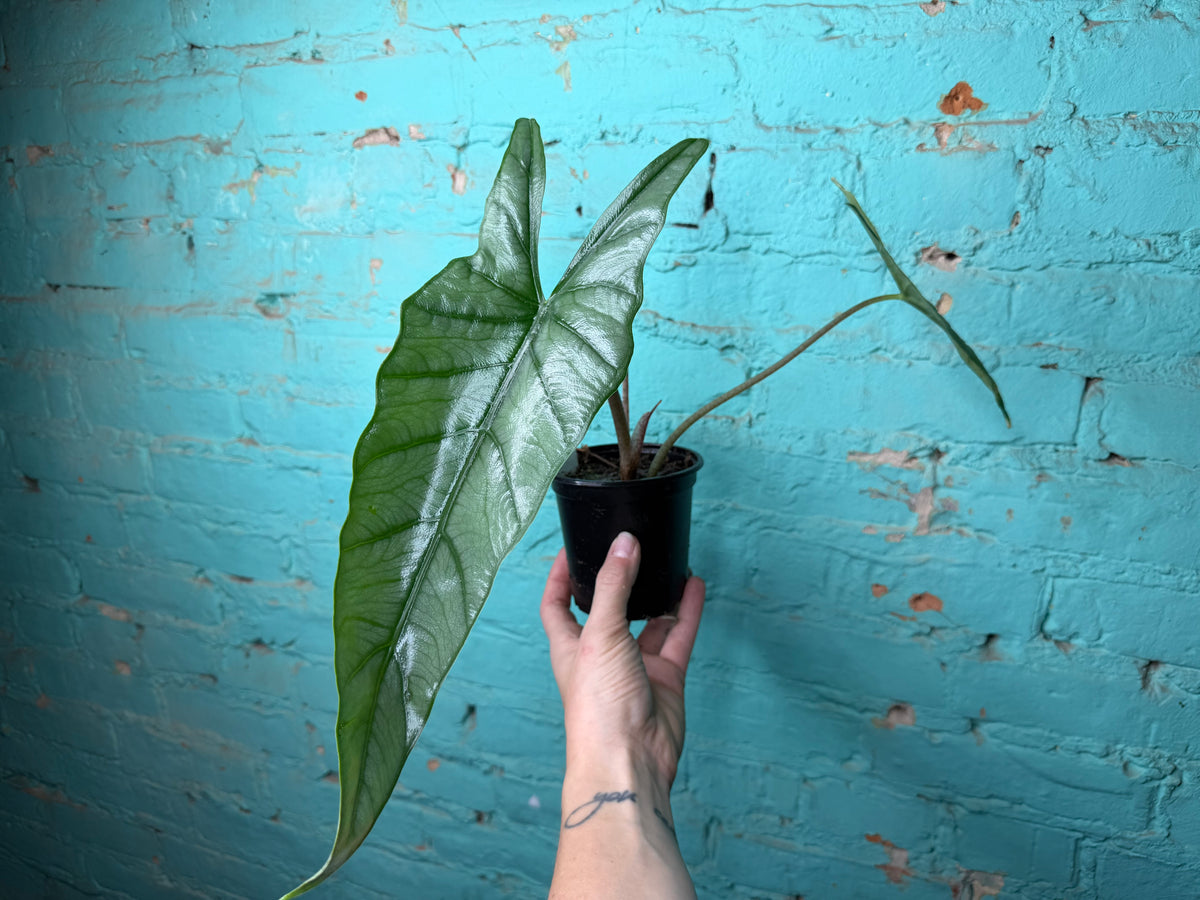
I mean, the silver dragon is just STUNNING!

This girlie is GROWIN & GLOWIN!

Great guide! I had a fungus nat issue but I’m down to only a few left!

Simply gorgeous! The metallic leaves are stunning! Already got a new leaf and she’s the biggest one yet!

The texture of this scalprum is the best! Love it!

Stunning! Some of the leaves looked rough on transport but she’s bouncing back! Packaging was exceptional!

I've just received my second Aglaonema Cutlass, both 6" pots. They are perfect for me! I just love the form this plant takes.

Absolutely amazed at the care in which this was packaged & shipped! Not a single leaf broken! She is stunning and I can’t wait to see how she does now that she’s home!